
Best Sleep Positions During Pregnancy
Pregnancy is a beautiful journey, but let’s be honest—it’s not always comfortable, especially when it comes to getting a good night’s sleep. As your belly grows and your body changes, the sleep positions that once felt natural may now leave you tossing and turning. But here’s the good news: choosing the right sleep position isn’t just about comfort—it plays a crucial role in your baby’s well-being too.
So, how should you sleep during pregnancy to ensure both you and your little one are safe and comfortable? In this guide, we’ll break down the best sleep positions, what to avoid, and tips to help you rest better as you progress through each trimester. Let’s make sleep something to look forward to again!.
Why Sleep Position Matters During Pregnancy
How you sleep during pregnancy isn’t just a matter of comfort; it’s about the health and safety of both you and your baby. Your growing uterus causes shifts in circulation and pressure in your body, making sleep position more important than ever. The right sleeping posture can ease your body’s adjustments and promote healthier fetal development.
Impact on Blood Flow and Oxygen Supply
During pregnancy, your body works overtime to ensure your baby gets enough oxygen and nutrients. Blood flow is a key piece of the puzzle, and certain sleep positions directly affect how efficiently your body circulates blood.
When you sleep on your back, the weight of your growing uterus can press against the vena cava, a major vein that returns blood to the heart. This compression reduces circulation and oxygen supply, which isn’t ideal for your baby. On the other hand, sleeping on your side—particularly the left side—keeps key blood vessels unrestricted. This position maximizes fetal oxygenation and improves nutrient delivery while also supporting kidney function, leading to better waste removal and reduced swelling for you.
Medical experts, including the American Pregnancy Association and Mayo Clinic, recommend sleeping on the left side during pregnancy. This position enhances blood flow to the placenta and helps in delivering essential nutrients to the baby. It also reduces pressure on the liver and improves kidney function, which helps in minimizing swelling in the hands and feet. While sleeping on the right side is not necessarily harmful, prolonged back sleeping can compress the inferior vena cava, potentially reducing blood flow and causing dizziness or discomfort. However, experts emphasize that pregnant individuals should prioritize comfort and avoid unnecessary stress about their sleep position.
Risks of Back Sleeping
Back sleeping, especially in the later stages of pregnancy, can cause more than just discomfort. As your uterus grows, the combination of the baby’s weight and amniotic fluid creates pressure on your spine. Beyond aches and soreness, this posture can compress vital blood vessels like the vena cava and aorta, potentially decreasing oxygen flow to your baby.
Additionally, back sleeping has been linked to increased risks of complications, including stillbirth in rare cases, particularly after 28 weeks. It can also contribute to issues with low blood pressure, dizziness, and even shortness of breath. If you find yourself waking up in this position, don’t panic; just adjust to your side for the rest of the night.
Benefits of Side Sleeping
Side sleeping is widely recommended during pregnancy, with the left side being the superstar position. Why? Sleeping on your left side improves blood flow by keeping pressure off major veins. It also supports kidney function, reducing fluid retention and helping alleviate swollen ankles—a common frustration as pregnancy progresses.
For many, this position also alleviates pregnancy discomforts like back pain or heartburn. Adding a pillow between your knees can align your hips, while one under your belly offers extra support as your bump grows. These small adjustments turn the challenge of side sleeping into a more restful and comforting experience.
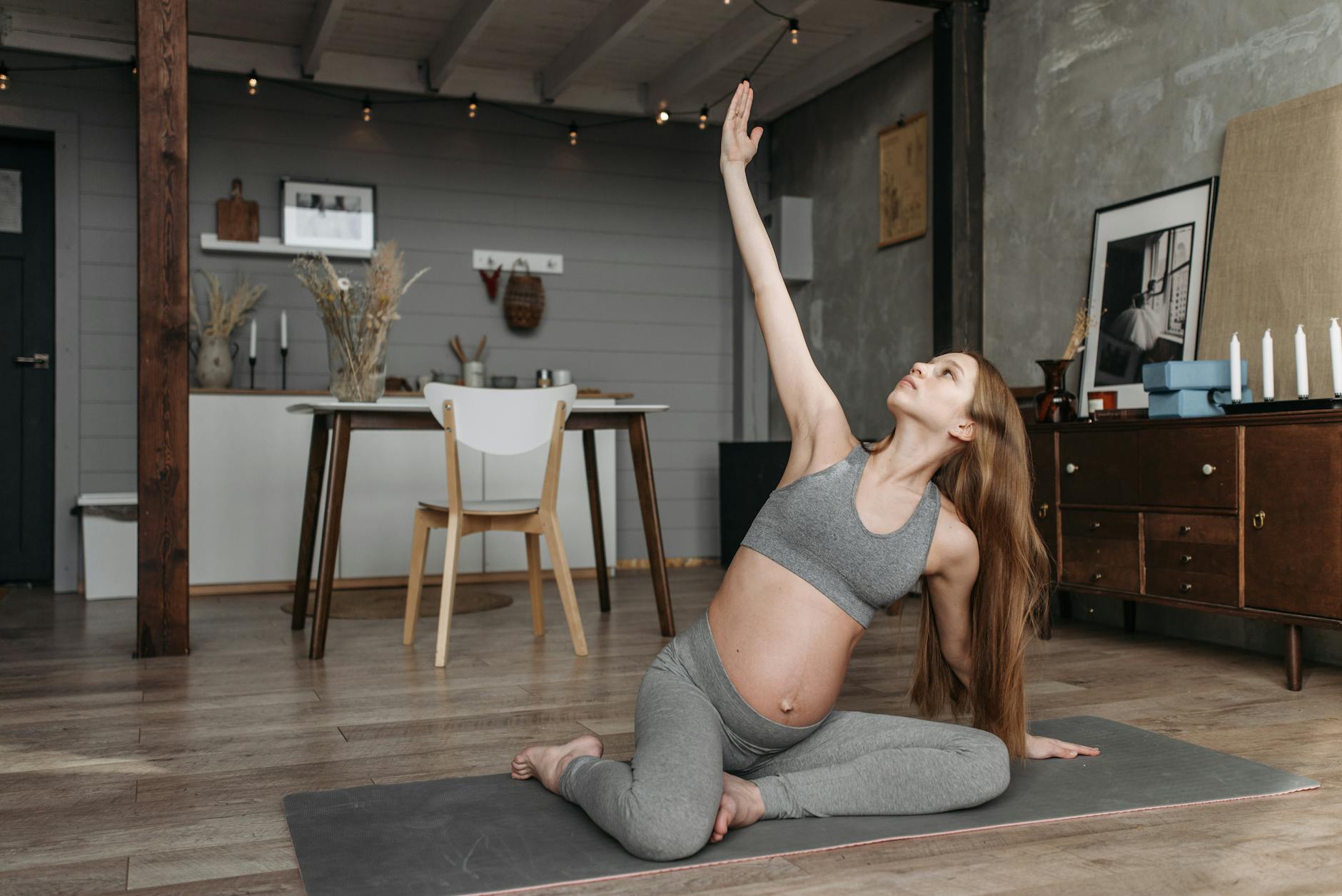
Photo by Pavel Danilyuk
Making the switch to side sleeping may feel awkward if you’re used to another position, but consistency and a few comfort aids can make a big difference. Think of it as a small act of care for both you and your baby, helping ensure calmer, healthier nights as your pregnancy progresses.
Safe Sleeping Positions Throughout Pregnancy
Getting enough restful sleep during pregnancy can feel challenging, especially as your body changes to accommodate your growing baby. Choosing the right sleep positions—not just for comfort but also for safety—can make a significant difference. Here’s a trimester-by-trimester guide to help you navigate the best sleep positions throughout your pregnancy.
First Trimester: Flexibility and Comfort
In the early weeks of pregnancy, your body hasn’t yet undergone major physical transitions. This means you have more flexibility with your sleeping positions. If you’re a back or stomach sleeper, you can generally continue without concern during the first trimester. At this stage, your uterus is still safely nestled within your pelvis, posing no risk to major blood vessels or organs.
However, this is an excellent time to start building healthy habits that will benefit you later. Transitioning to side sleeping early can help make this position feel more natural as your pregnancy progresses. Practicing with a pillow between your knees or under your belly can prevent hip or lower back discomfort, easing the adjustment. Think of this as laying the foundation for restful sleep in the months ahead.
Second Trimester: Embracing Side Sleeping
As your pregnancy enters its second trimester, changes in your body become more pronounced. Your uterus grows and begins applying pressure to nearby blood vessels, making back or stomach sleeping less ideal. By this point, switching to sleeping on your side is strongly recommended.
Side sleeping, particularly the left side, enhances blood circulation to the heart, placenta, and baby. It also prevents unnecessary compression of the vena cava, the major vein responsible for returning blood to the heart. If you wake up on your back occasionally, don’t stress—just reposition yourself onto your side.
For added comfort, consider using a wedge pillow to support your growing belly or placing a full-length pregnancy pillow along your body. These tools can make side sleeping more comfortable while reducing strain on your hips and lower back.
Third Trimester: Prioritizing Left Side Sleeping
The third trimester brings the most significant physical changes, often amplifying sleep challenges. As your baby grows, the uterus places increased pressure on vital blood vessels and organs. Sleeping on your left side becomes particularly important during this stage, as it maximizes blood flow to your baby and helps support kidney function. This position also minimizes swelling in your legs and ankles.
If you’re struggling to stay on your side, try propping yourself up with strategically placed pillows for extra support. A pillow behind your back can prevent rolling, while another beneath your knees can ease joint strain. Additionally, side sleeping can alleviate common third-trimester discomforts like heartburn and back pain.
Keep in mind that finding comfort is key. If you need to rest on your right side temporarily, that’s okay too—just aim to spend most of the night on your left to enjoy its benefits.
Using Pillows and Accessories for Better Sleep
Pregnancy drastically changes how your body feels, especially when it comes to sleep. That’s why pillows and thoughtful bedroom adjustments can make all the difference. One size doesn’t fit all when it comes to comfort during pregnancy, so experimenting with pillows and accessories can unlock better sleep. Here’s how to make the most of pregnancy-specific tools and your bedroom setup.
Pregnancy Pillows: Choosing the Right One
Finding the right pregnancy pillow can transform uncomfortable nights into restful ones. These pillows are specifically designed to support your growing belly, alleviate pressure, and encourage side sleeping. With so many options available, it’s worth knowing what type suits your needs.
- Wedge Pillows: Compact and versatile, wedge pillows are perfect for targeted belly or back support. You can also use them to elevate your upper body slightly, which helps reduce heartburn and acid reflux.
- Full-Body Pillows: These U-, C-, or J-shaped pillows offer comprehensive support for your entire body. They’re designed to wrap around you, cradling your bump, aligning your spine, and keeping your hips in a neutral position all night.
- Bolster and Smaller Options: If you prefer something less bulky, bolster pillows or small cushions can provide localized comfort. Some moms-to-be find these less restrictive while still offering relief.
The goal is to find a pillow that matches your body’s needs and the stage of pregnancy you’re in. Remember, a little trial and error can go a long way.
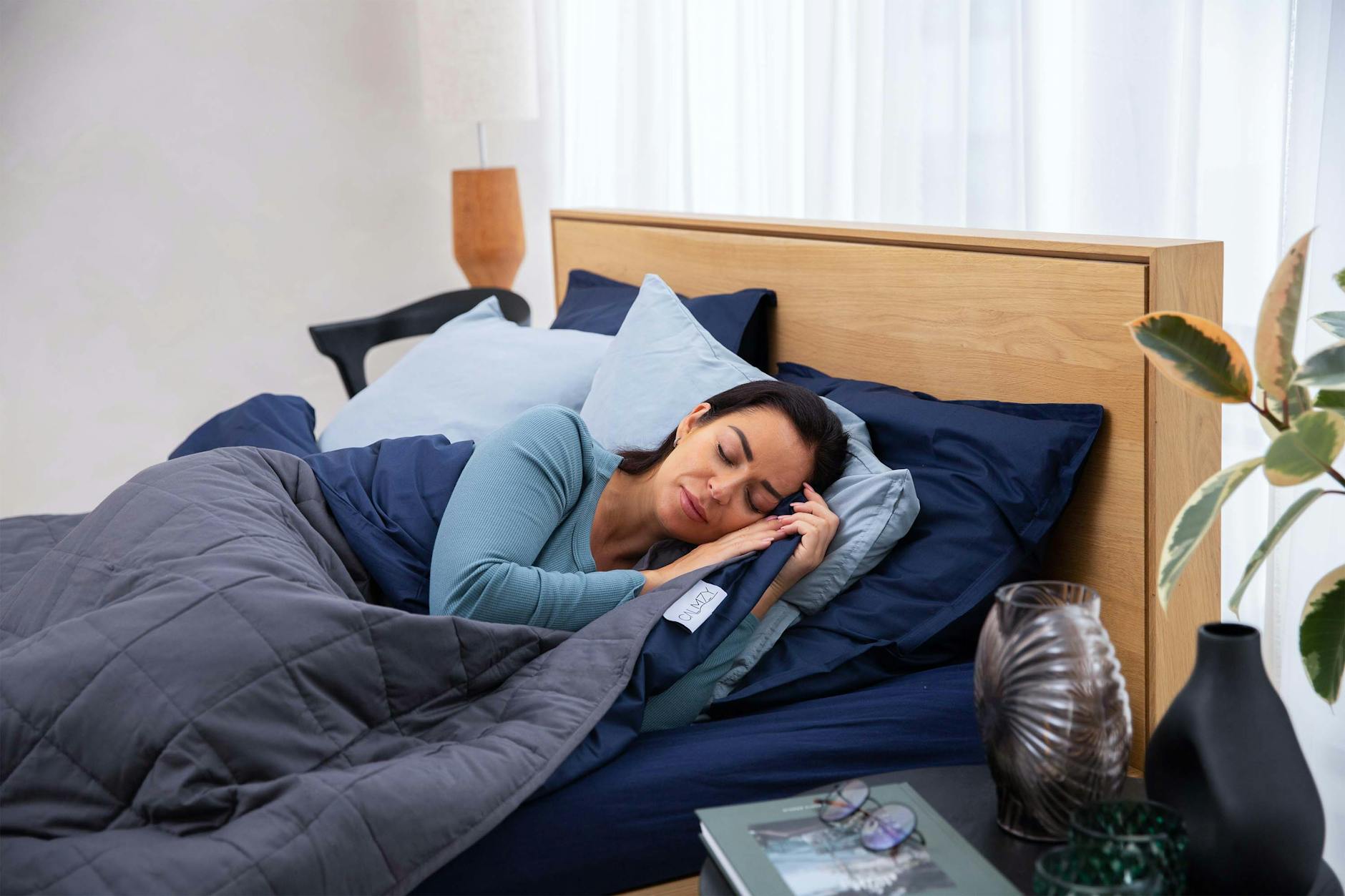
Photo by Niels from Slaapwijsheid.nl
Adjusting Your Sleep Environment
Creating a sleep-friendly environment can significantly improve the quality of your nights. Pregnancy heightens your sensitivity to small irritations like noise, light, or temperature—making a comfortable bedroom even more essential.
Here’s a checklist to prepare your room for optimal sleep:
- Invest in Your Mattress: A supportive mattress can reduce back pain and promote better alignment. If you’re unable to get a new one, consider adding a mattress topper for extra cushioning.
- Control the Temperature: Keep your bedroom cool, ideally around 65°F (18°C). This helps counteract the extra body heat most pregnant women experience.
- Minimize Noise and Light: Use blackout curtains and a sound machine if needed. Even small disruptions, like streetlights or faint noises, can break your sleep cycle.
- Keep Essentials Close: Place snacks, water, and a pregnancy-safe sleep aid or calming lavender spray within arm’s reach to minimize nighttime disturbances.
Simple adjustments to your sleep space can make it a sanctuary tailored to your new needs.
Pillow Placement for Alignment and Comfort
Pillow placement is an art, but the results are worth it. When you’re pregnant, using pillows to support specific areas of your body can relieve pressure and help keep you aligned.
- Back Support: Place a pillow or a rolled-up towel behind your lower back. This prevents you from rolling onto your back during sleep, which can compress blood flow.
- Belly Support: Slide a wedge pillow or a folded blanket under your belly. This reduces the strain on your lower back, especially as your bump grows.
- Knee Alignment: A pillow between your knees ensures your spine and hips stay aligned. This small trick can alleviate hip pain and reduce pelvic discomfort.
- Elevated Sleep: For those suffering from heartburn, try slightly propping your upper body with a U-shaped or wedge pillow. This upright position can ease acid reflux without disturbing your side-sleeping posture.
If all else fails, don’t hesitate to mix and match pillows until you find what works for you. Think of pillows as tools to help you experiment with structure and alignment as your body changes.
Some Common queries
Navigating sleep during pregnancy often comes with questions and concerns, especially as your body adjusts to its new needs. Below, we address some of the most common queries about sleep positions to help you rest more comfortably and confidently through each stage of your pregnancy.
Waking Up in the Wrong Position
It’s natural to worry about waking up on your back or stomach, especially when you’ve heard about the risks associated with certain positions. Here’s the good news: your body is designed to protect you and your baby, even while you sleep. Most people instinctively shift positions during the night as a response to discomfort or changes in circulation.
If you wake up in a position you didn’t intend, don’t panic. Simply roll to your side and continue sleeping. To avoid rolling onto your back, try placing a pillow behind you for support. This small adjustment acts like a soft barrier, keeping you comfortably in a side-leaning position. Remember—what matters most is the position you fall asleep in, as this is the one you’ll maintain the longest.
Differences Between Right and Left Side Sleeping
You’ve likely heard that sleeping on the left side is best during pregnancy, but is there a real difference between the left and right sides? The answer is nuanced. Left-side sleeping is generally recommended because it optimizes blood flow to your baby and your organs like the liver and kidneys. This position also aids in reducing swelling and promotes better waste elimination from your body.
However, sleeping on your right side is also safe. If you find the left side uncomfortable or need to swap occasionally, don’t stress. Both side positions offer significant benefits compared to sleeping on your back.
To maximize comfort on either side, consider using a pillow under your belly and between your knees. These adjustments can ease hip strain and improve spinal alignment, making your rest more restorative. During pregnancy, the best sleep position is the one that supports both your comfort and circulation—sometimes that means alternating sides until you find what works best.
Sleeping With Medical Conditions During Pregnancy
Pregnancy often brings or amplifies certain medical conditions, which can complicate finding a comfortable sleeping position. Below are common issues and how to manage them while still prioritizing safe sleep for you and your baby:
- Sleep Apnea: For those diagnosed with sleep apnea, side sleeping is critical. This position helps keep airways open, reducing the risk of interrupted breathing. Elevating your upper body slightly with pillows can also improve airflow, especially in later trimesters.
- High Blood Pressure: Sleep plays a role in managing blood pressure levels. Left-side sleeping is especially beneficial in promoting better circulation and reducing strain on your heart. If hypertension is a concern, consult your doctor about optimal sleep strategies.
- Back Pain or Pelvic Discomfort: Back pain is a common pregnancy complaint that can make sleep tricky. To alleviate discomfort, prop yourself with a full-body pillow or wedge pillow. Positioning a pillow between your knees aligns your hips and reduces pelvic stress, while a small cushion under your belly supports the weight of your growing bump.
No matter the condition, tailoring your sleep setup with proper support can make a big difference. If specific concerns persist, it’s important to speak with your healthcare provider for personalized advice.
Conclusion
Choosing the best sleep position during pregnancy is about prioritizing both comfort and safety. Side sleeping, particularly on the left, supports healthy blood flow, reduces swelling, and promotes better oxygen and nutrient delivery to your baby. While the left side is ideal, right-side sleeping is also a good option, offering more flexibility as your needs change.
Remember, your comfort matters just as much as the specifics of your position. Using pillows for support and adjusting your sleep setup can make a world of difference. Listen to your body, and if discomfort or concerns persist, don’t hesitate to consult your healthcare provider for tailored advice.
Your well-being directly supports your baby’s growth, so finding restful sleep is an essential part of self-care during this transformative time. What small change can you make tonight to sleep more comfortably?
Frequently Asked Questions (FAQs)
1. Why is sleeping position important during pregnancy?
Your sleep position affects blood circulation, spinal alignment, and pressure on your growing belly. The right position can improve comfort, support fetal health, and reduce pregnancy-related discomfort like back pain and heartburn.
2. What is the best sleeping position during pregnancy?
The best sleeping position is on your left side with a pillow between your legs. This position improves blood flow to the placenta and helps your kidneys efficiently eliminate waste, reducing swelling in your feet and ankles.
3. Can I sleep on my right side during pregnancy?
Yes, sleeping on your right side occasionally is generally safe. However, the left side is preferred as it minimizes pressure on the liver and promotes better circulation. If you switch sides during the night, don’t worry—your body will naturally adjust for comfort.
4. Is sleeping on my back dangerous during pregnancy?
After the first trimester, sleeping on your back can cause pressure on the vena cava (a major blood vessel), reducing blood flow to your baby and making you feel dizzy or short of breath. If you wake up on your back, gently shift to your side without stressing.
5. Can I sleep on my stomach while pregnant?
Sleeping on your stomach is safe during early pregnancy but becomes uncomfortable as your belly grows. By the second trimester, it’s best to transition to side sleeping to avoid putting pressure on your uterus.
6. How can I sleep comfortably in the third trimester?
- Use a pregnancy pillow for extra support.
- Place a pillow between your legs to reduce hip strain.
- Try a reclining position if side sleeping feels difficult.
- Keep your head slightly elevated to prevent heartburn.
7. What should I do if I wake up in the wrong position?
Don’t panic! Your body naturally shifts throughout the night. If you wake up on your back or stomach, just reposition yourself on your side and use pillows for support.
8. Are there any sleeping positions that can help with back pain?
Yes! Sleeping on your left side with a pillow between your knees helps keep your spine aligned and reduces lower back pain. A wedge pillow under your belly can also provide extra support.
9. How can I improve sleep quality during pregnancy?
- Establish a relaxing bedtime routine.
- Avoid caffeine and heavy meals before sleep.
- Use soft lighting and maintain a cool bedroom temperature.
- Try gentle stretches or prenatal yoga before bed.
10. What should I do if I have trouble sleeping?
If discomfort, anxiety, or frequent urination disrupts your sleep, try relaxation techniques like deep breathing, meditation, or a warm bath before bed. If insomnia persists, consult your doctor for safe sleep solutions.
Pingback: How to Avoid Stretch Marks in Pregnancy: Dermatologist-Approved Guide - TinyKick.in
Pingback: Prepare for Labor: How to Overcome Childbirth Worries - TinyKick.in