
TIFFA Scan Explained
Pregnancy brings a mix of excitement and uncertainty, especially for first-time moms. The TIFFA scan, also known as the anomaly scan, is a key check-up that usually takes place between 18 and 22 weeks of pregnancy. This detailed ultrasound helps doctors closely look at your baby’s growth, organs, and anatomy to spot early signs of any physical issues.
Knowing what to expect during the TIFFA scan can ease some of the worry that comes with prenatal tests. In the next sections, you’ll learn why this scan is important, how it works, and what the results may tell you about your baby’s development. You’ll have the information and reassurance you need to step into your appointment with confidence.
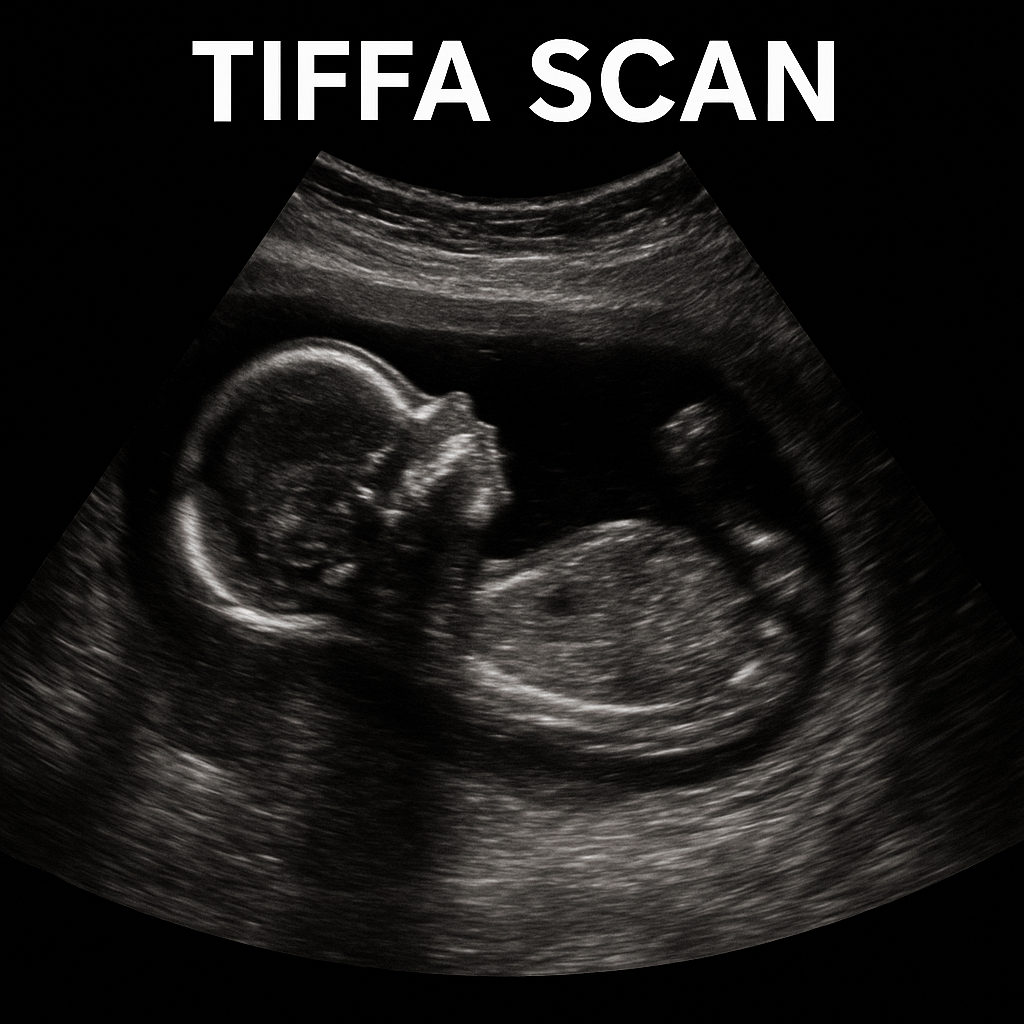
What Is a TIFFA Scan?
Pregnancy comes with plenty of firsts—one of the most important is the TIFFA scan. If you’ve heard this term from your doctor or other moms, rest assured that it’s a routine and safe part of prenatal care. For many women, especially first-time moms, understanding what happens during this scan and why it matters can take away a lot of anxiety. Here’s what you need to know about the TIFFA scan, explained in straightforward language.
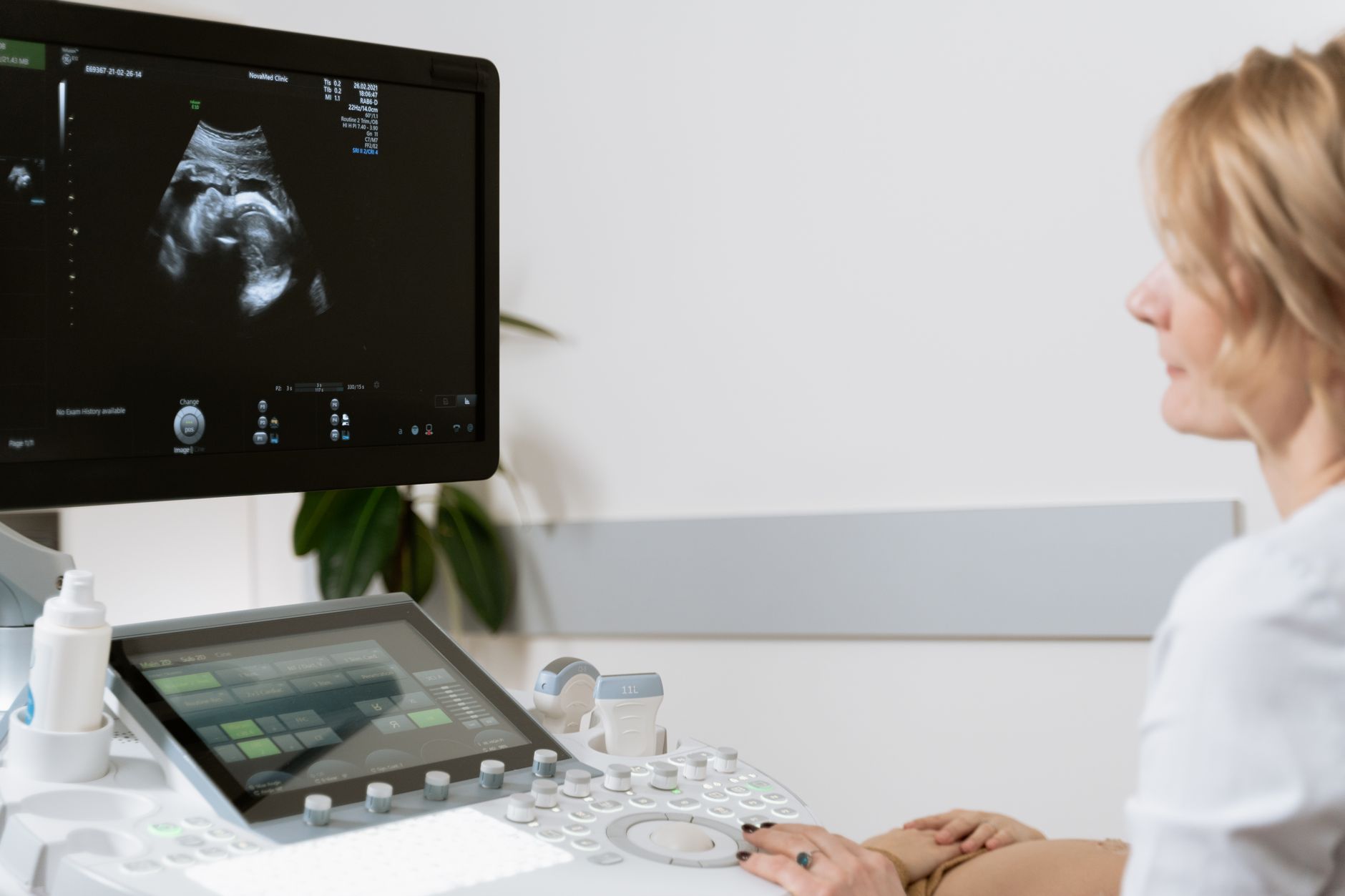 Photo by MART PRODUCTION
TIFFA Scan: Defined in Simple Terms
TIFFA stands for Targeted Imaging for Fetal Anomalies. It’s a special ultrasound examination that looks closely at your developing baby and your uterus. Some people call it the anomaly scan or the level-2 scan. The scan produces clear images of the baby’s organs, limbs, and body parts, helping your doctor check more than just size or heartbeat.
Unlike the first ultrasound you may have had early in pregnancy, the TIFFA scan focuses on your baby’s development in much more detail. The main goal? To make sure everything is forming as it should.
Timing of the TIFFA Scan
Doctors recommend the TIFFA scan at a specific window in your pregnancy:
- Best time: Between 18 and 22 weeks, with most scans done around week 19 or 20.
- Why this timing? At this stage, your baby is large enough for doctors to see the organs and structures clearly, but it’s still early enough to act if there’s a problem.
Why Is the TIFFA Scan Done?
The TIFFA scan has a clear, powerful purpose: it helps doctors check for any major birth defects or structural problems in your baby before birth. Here’s what it reveals:
- Checks for birth defects: Brain, spine, heart, limbs, kidneys, and more.
- Monitors growth: Measures your baby’s size to ensure it matches expected milestones.
- Assesses placenta and fluid: Examines where your placenta is and makes sure there’s enough amniotic fluid.
- Detects multiple pregnancies: Confirms if you are carrying twins or more.
Think of it as a detailed check-up—like using a magnifying glass to make sure every little piece is just right.
What Makes the TIFFA Scan Essential?
This scan is not just routine—it can catch important issues early. Doctors can see and measure every part from your baby’s head to toes. If something unusual is found, you, your partner, and your doctor can make informed decisions about next steps.
Some of the main things the scan can find include:
- Spina bifida or issues with the spine
- Heart conditions
- Cleft lip or palate
- Limb deformities
- Problems with the brain, kidneys, or abdominal wall
Early knowledge gives you and your doctor time to plan for further testing, treatment, or special care after birth. For most women, the scan offers reassurance and a chance to see your baby in amazing detail—sometimes even in 3D.
Key Takeaways
- The TIFFA scan checks your baby’s anatomy inside and out, usually between 18 and 22 weeks.
- It’s safe, painless, and takes about 30–45 minutes.
- The scan gives both you and your doctor valuable information to support a healthy pregnancy.
Getting ready for your TIFFA scan can feel like just another appointment, but it’s a key milestone in checking on your baby’s well-being.
The Procedure: What to Expect During Your TIFFA Scan
For first-time moms, knowing exactly what will happen during a TIFFA scan can bring a sense of control and calm. The clinic staff will guide you through each step of the thorough yet simple scan. Here’s a clear breakdown of what you can expect, from getting ready at home to finishing up at the clinic.
 Photo by Pavel Danilyuk
Preparation for Your Scan
There’s not much you need to do ahead of time for a TIFFA scan. You usually won’t need a full bladder, unlike your first early ultrasound. Still, it’s smart to check with the clinic—some centers may give specific instructions depending on their equipment.
- Wear loose, comfortable clothes that make it easy to expose your belly.
- Arrive on time or a few minutes early—it helps you relax and go through any paperwork without rushing.
- You can often bring a partner or support person, but check if children are allowed as policies can vary.
- There’s no need of fasting or special medication. Eat and drink as you normally would before your appointment.
Step-by-Step: What Happens During the Scan
When your appointment begins, here’s how it will unfold:
- You’ll be welcomed into a calm, dimly lit room. This lighting helps the technician or doctor see the ultrasound images more clearly.
- You’ll lie down on the exam table, often with your clothing pulled up just enough to reveal your abdomen.
- A clear, cool gel is applied to your stomach. This gel helps sound waves travel more efficiently for clearer images.
- The ultrasound transducer (probe) glides over your belly, sending live images to a monitor. The technician moves slowly and carefully, pausing to capture detailed views of each organ and body part.
- You might be invited to look at the screen as the scan goes on, sometimes seeing hands, feet, or your baby’s heart in real time.
- The scan typically lasts 30–60 minutes. It’s painless, but mild pressure from the probe may be felt.
- After the scan finishes, the technician wipes away the gel. You can then get up immediately and return to your daily activities.
- A detailed report is generated. Some centers discuss basic findings with you right away, while others may have you speak with your doctor soon after.
Is the TIFFA Scan Safe?: Addressing Safety and Comfort
TIFFA scans are designed to be safe, gentle, and stress-free for both mom and baby.
- Non-invasive: There are no needles, injections, or incisions. The scan relies purely on ultrasound waves—a type of sound wave technology used worldwide for decades in obstetric care.
- No radiation: Unlike X-rays, this procedure uses no ionizing radiation. There’s no risk of exposure to harmful rays.
- No known side effects: Countless studies confirm that these ultrasound scans do not harm the developing baby or affect the mother’s health.
- Painless and comfortable: Most women describe the scan as a smooth experience. Rarely, you might feel slight pressure if the baby’s position makes viewing a little tricky, but this is temporary and mild.
Doctors and healthcare authorities recommend the TIFFA scan because it provides important information to protect both mother and child—without any risk.
If you’re feeling anxious or uncomfortable, it’s always okay to speak up—sonographers are experienced in helping you feel at ease and will answer your questions throughout the scan.
What Does the TIFFA Scan Check For?
The TIFFA scan is one of the most detailed checks you’ll have during pregnancy. It’s a thorough ultrasound that scans your baby from head to toe. The purpose: to spot physical problems or concerns in organs, bones, and the structures that support your baby’s growth. For many parents, this is the first close look at how their baby is developing—sometimes revealing unfolding fingers, tiny toes, and even subtle features of the face.
 Photo by Valeriia Svietlova
The TIFFA scan is not just about the visuals. It provides important measurements and checks that let your healthcare team confirm if everything matches up with your baby’s age and normal development. If there’s a concern, it gives everyone more options and more time to plan.
Detecting Anomalies Early: Why It Matters
Early detection matters in pregnancy. The TIFFA scan checks key fetal parts and looks out for a range of structural abnormalities—big and small. The earlier a problem is found, the more time you and your healthcare team have to make informed choices, consider treatment options, or prepare for special care after birth.
What does the scan actually look for? Here’s a closer look:
- Brain and Head: Checks for shape, size, and major brain structures. Detects issues like hydrocephalus or neural tube defects.
- Spine: Scans for spina bifida and other spinal cord conditions.
- Heart: Views all four chambers, valves, and vessels, picking up common heart defects.
- Face and Neck: Looks for cleft lip, palate, and other facial differences.
- Abdominal Organs: Examines the stomach, liver, kidneys, and bladder for blockages or missing parts.
- Limb Development: Counts fingers and toes; checks for shortened bones or limb differences.
- Placenta and Cord: Checks where the placenta is attached and how the umbilical cord connects to your baby.
- Amniotic Fluid: Measures fluid surrounding the baby, which is crucial for movement, growth, and preventing cord complications.
The scan also spots some rare but serious conditions like abdominal wall defects (omphalocele or gastroschisis) and can suggest the possibility of certain genetic conditions if it finds specific markers.
Key structures checked often include:
- Brain: Shape, ventricles, cerebellum
- Spine: Alignment, closure
- Heart: Structure, rhythm, outflow tracts
- Face: Eyes, lips, nasal bone
- Abdomen and Kidneys: Size, position, presence of both kidneys, stomach, bladder
- Limbs: Bone length, symmetry, toes and fingers
- Placenta: Position (to rule out placenta previa)
- Amniotic Fluid: Volume
This early scan allows prompt referral if an abnormality is seen. Sometimes, further tests or repeat scans are needed to confirm findings or check for changes as baby grows.
Why is this important?
- Catches treatable or manageable concerns early.
- Gives parents time to learn about medical needs or support.
- Sometimes, specific conditions can be treated before birth.
- Helps plan for specialist care during delivery, if needed.
- Most importantly, it gives reassurance for the majority of parents when results are normal.
Most findings will be “normal,” giving peace of mind and building confidence as pregnancy moves forward. If a concern turns up, it’s better to know early so you have more options and resources.
Limits of the Scan: What It Might Miss
TIFFA scans are impressively accurate, but they are not perfect. The scan can miss subtle or late-developing problems, especially in the heart or digestive system. Some conditions become visible later in pregnancy, while others may be too small to detect at the time of scanning. Factors like your baby’s position, body size, amniotic fluid volume, and the skill of the person doing the scan can all affect how much is seen.
The takeaway:
While the TIFFA scan is one of the best ways to spot early concerns, no scan can see or predict everything. For most families, it’s a major step in pregnancy care—offering answers, next steps, and peace of mind.
Key takeaways for first-time moms:
- The TIFFA scan covers your baby’s main organs, bones, and physical features.
- Early detection lets you and your doctor plan ahead and access experts if anything shows up.
- Most scans bring reassurance, helping you enjoy the weeks ahead with more confidence.
TIFFA Scan Results: Understanding Your Report
The TIFFA scan gives a thorough look at your baby’s growth and development during pregnancy. When the scan is finished, you’ll receive a detailed report. For many first-time moms, this can be both exciting and a bit confusing. Here’s what you can expect from your TIFFA scan results, what they mean, and what to do next if any concerns are flagged.
 Photo by MART PRODUCTION
What to Expect in Your TIFFA Scan Report
After your scan, your doctor or sonographer will review the report with you. The report lists the main findings and measurements. Most sections focus on your baby’s size, internal organs, brain, heart, spine, limbs, kidneys, stomach, and bladder. The placenta’s position and the amount of amniotic fluid are also checked.
Here’s what’s usually highlighted in the TIFFA scan report:
- Growth charts: These show how your baby’s measurements compare to the typical range for gestational age.
- Major organs: Each organ is listed with a note on whether it appears normal or if there’s a need for further checks.
- Placental details: Where your placenta is attached and if there are any issues, like low-lying placenta.
- Umbilical cord features: How many vessels are present and if they look normal.
- Fluid levels: Amount of amniotic fluid, which is important for your baby’s movement and lung development.
Key Takeaway:
Most parents will hear that everything looks normal. In those cases, you can leave your appointment feeling more confident and reassured.
Sharing Findings and Next Steps
If your report shows any unusual findings, your doctor will explain what these mean right away or schedule a follow-up appointment. Some differences can be minor or simply related to the baby’s position during the scan, while others may need a closer look.
How the findings are usually shared:
- Immediate Feedback: The sonographer or doctor may give a quick overview just after the scan if there’s something urgent.
- Follow-Up Appointment: For anything that needs explanation, your doctor will often schedule a meeting to review results in-depth and discuss next steps.
- Written Report: You typically receive a written copy to keep for your records or to share with your healthcare provider.
Doctors aim to share the news in a calm, supportive way, giving you time to process and ask questions.
What If My Doctor Recommends Further Tests?
Learning that more tests are needed can feel overwhelming, but it simply means your doctor wants the full picture before making decisions. Common reasons for more tests include unclear images, suspected genetic conditions, or the need to monitor a finding as your baby grows.
Examples of recommended next steps may include:
- Repeat ultrasound: Sometimes another scan provides clearer or more detailed information.
- Genetic testing: Blood tests or, in some cases, procedures like amniocentesis can check for specific chromosome differences.
- Referral to a specialist: You might meet with a maternal-fetal medicine expert or a pediatric cardiologist if there’s a concern about the baby’s heart.
- MRI or advanced imaging: Rarely, another type of scan gives doctors extra details about a suspected issue.
Emotions run high when unexpected news arrives. It helps to remember:
- Most additional tests are just to double–check or rule out problems.
- A finding on a scan doesn’t always mean something serious.
- Your care team is there to answer questions, provide support, and connect you with counselors or parent support groups if you want to talk.
Support makes a big difference. Take notes, bring a partner or friend to appointments, and ask questions—even if they seem small.
In summary:
The TIFFA scan report gives you powerful insight into your baby’s well-being. While most reports are normal, if your doctor suggests further tests, it’s a step toward getting all the information you need, plus the support you deserve through every decision.
TIFFA Scan Tips and FAQs for First-Time Moms
The first TIFFA scan can feel like a big step, bringing a mix of excitement and nerves. There are ways to make the experience smoother and less stressful, especially if you’re new to all of this. Here you’ll find real-life tips to help you prep for your TIFFA scan, common worries you might face, and answers to questions that first-time moms often ask. Let’s take some of the guesswork out of this important appointment.
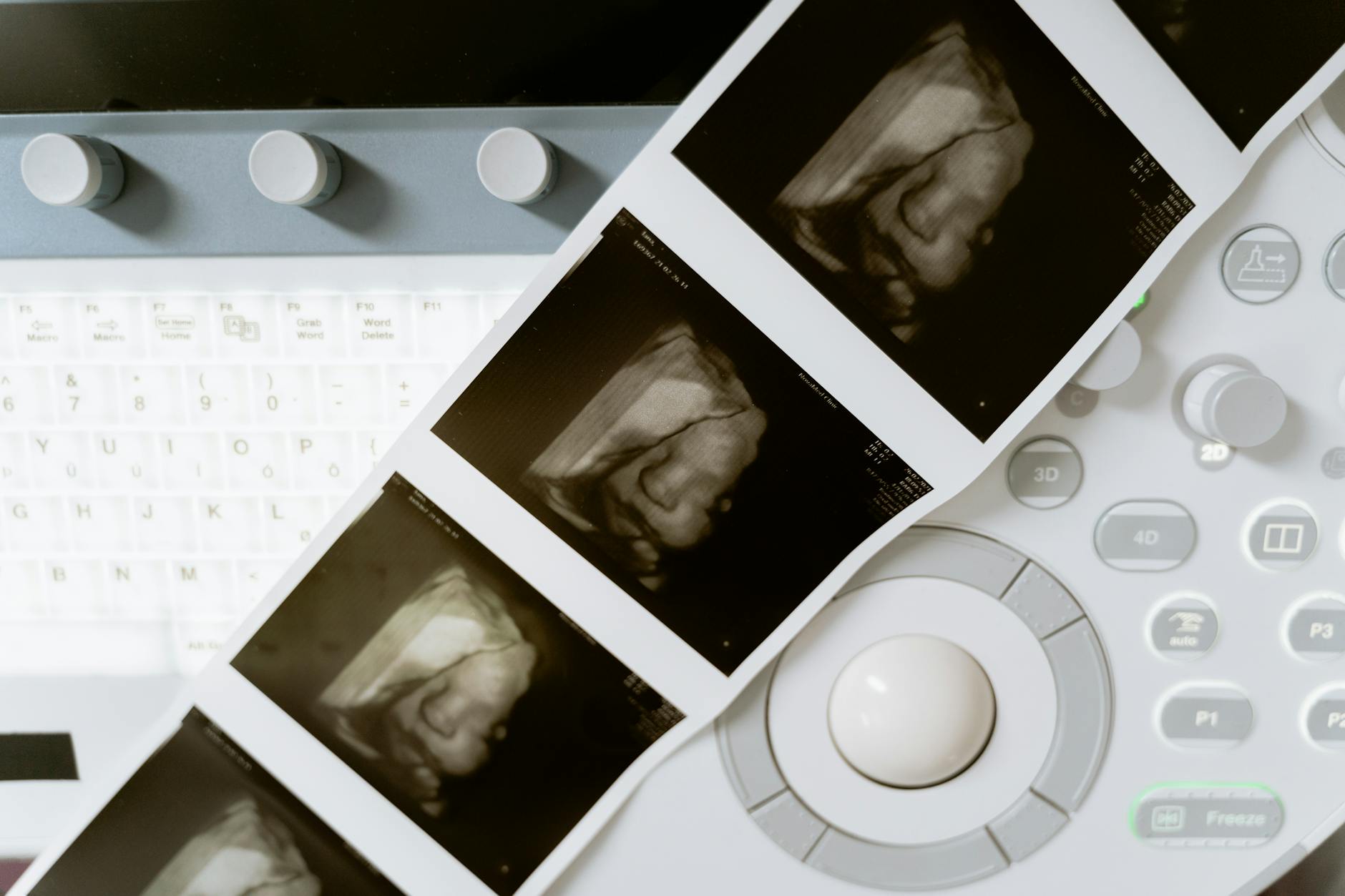 Photo by MART PRODUCTION
Practical Tips to Prepare for Your TIFFA Scan
Preparation is simple and can make the day less hectic. Focusing on comfort and simple planning helps you focus on what matters most—seeing your baby.
- Wear comfy, loose clothing: Ultrasound gel goes on your belly. A top you can lift easily saves time and fuss.
- Bring your records: Take along your previous scans and pregnancy notes so the technician has all your details.
- Check with your clinic: Some clinics have specific policies about food or support persons, so call ahead if you’re unsure.
- Stay well-hydrated: While a full bladder isn’t always required, being hydrated can make imaging easier. Sip water in the hour before unless told otherwise.
- Arrive a little early: Rushing adds stress. A buffer before your appointment lets you settle in.
- Have a light snack beforehand: Eating helps many moms (and sometimes perks up the baby for better views).
- List out questions: Jot down anything you want to ask so you don’t forget.
Common Worries and Reassurance
Most moms worry before their first detailed scan. It’s perfectly normal. Here are some of the biggest concerns and simple ways to ease your mind:
- “What if the scan finds something wrong?”
Remember, most results show babies developing as expected. Only a small percent reveal issues needing extra care or more tests. If something is spotted, your doctor will walk you through every step, not leave you guessing. - “Will the test hurt the baby?”
TIFFA scans use sound waves, not radiation. They’re safe for you and your baby. You might feel a little pressure, but it shouldn’t hurt. - “What if I can’t see the baby clearly?”
Baby’s position sometimes makes imaging tricky. Sonographers have techniques to get better angles—sometimes asking you to shift, cough, or come back after a short walk. Most of the time, they get all the images they need. - “I have twins—should I be worried?”
TIFFA scans are extra important in twin or multiple pregnancies. They help spot any early concerns. The scan might take a little longer to check each baby, but it’s just as gentle and safe.
Frequently Asked Questions
Below are answers to questions first-time moms often have before or after their anomaly scan.
1. How long does the scan take?
Typically, about 30–45 minutes. If your baby is moving around or not in the ideal position, it might take a bit longer.
2. Can my partner or family member come with me?
Most clinics allow a support person, but check their policies before the appointment. Bringing someone can calm nerves and make the moment more special.
3. Will I get pictures from the scan?
Yes, most clinics provide printouts or digital copies. Just ask at your appointment—these images are precious keepsakes.
4. I ate before my scan, will that affect it?
No, eating before isn’t a problem—in fact, some moms find their baby is easier to see after a light snack.
5. Is there anything I need to avoid?
There are no food or activity restrictions. Just relax and go about your normal routine.
6. What if my report mentions a “soft marker” or minor concern?
Soft markers are usually minor findings that rarely mean something is wrong. They can be linked to genetic conditions, but most of the time, no problems are found on follow-up tests. Your doctor will explain what it means for you and your baby.
7. Can the scan miss any problems?
No scan can detect 100% of all concerns. Some conditions develop later, or may be too small to spot early. If your doctor suggests a repeat scan, it’s just to get a clearer picture.
Small Things That Help
First-time scans can stir up emotions—some happy, some anxious. Here are a few things that other moms say helped:
- Take deep breaths and remember, you’re supported by a whole team.
- Bring your partner or a friend to share the moment.
- Keep in mind, most results bring relief and excitement, not fear.
- If you have another question, ask! No concern is too small—your care team is there to help.
Most of all, trust yourself. You made it this far, and you’re doing great. The TIFFA scan is another milestone on the way to meeting your baby.
Conclusion
The TIFFA scan opens an important window into your baby’s health during pregnancy. This check is a safe, proven way to gather information and plan for a healthy birth. For most first-time moms, it brings reassurance and relief, showing that everything is on track or offering an early path to extra support if needed.
Take the chance to ask your healthcare provider about anything on your mind—no concern is too small. Staying informed and keeping the conversation open with your medical team helps you feel more prepared for the months ahead.
Thank you for reading and trusting your care to professionals who want the best for you and your baby. If you found this guide helpful, share it with others or leave your thoughts below. Your experience and questions can help support other new moms, too.