
How to Manage Sibling Rivalry: Practical Tips for Parents [2025 Guide]
Sibling rivalry pops up in almost every family. Kids argue, compete, and push each other’s buttons. It’s normal, but left unchecked, these squabbles can turn into stress that affects the whole home.
Learning how to handle sibling rivalry helps everyone feel heard, respected, and valued. It also teaches kids important skills like patience and problem-solving. With the right approach, you can turn conflict into a chance for growth—and build a happier, more supportive family along the way.
What Causes Sibling Rivalry?
Sibling rivalry can show up in many families, but it rarely looks the same in every home. At its core, rivalry is fueled by a mix of jealousy, the quest for fairness, and the drive to be seen as unique or special. These feelings often bubble up for reasons kids can’t always explain. Understanding what sparks sibling rivalry helps you make sense of those loud arguments or silent stand-offs. Here’s what really goes on beneath the surface.
The Role of Parental Attention and Favoritism
Kids crave feeling loved and valued. When they sense a brother or sister is getting “more” from a parent—whether it’s more hugs, praise, or screen time—emotions can run high. Even if it’s not true favoritism, children may spot tiny differences and fill in the blanks. It’s not unusual to hear “You never listen to me!” or “Why does she always get her way?” The comparison game kicks in fast.
Children might compete by:
- Acting out to grab your notice.
- Complaining about rules being “unfair.”
- Copying good (or not-so-good) behaviors to get the same reaction.
Small gestures—like celebrating each child’s strengths and spending one-on-one time with each of them—can go a long way. When kids know love doesn’t come with conditions, rivalry loses some of its power.
 Photo by Alex Green
Birth Order, Age Gap, and Temperament Differences
Every child is different, and their place in the family shapes how they see themselves—and each other.
- Birth order matters. Firstborns often carry more responsibility or may resent a new sibling taking the spotlight. Youngest kids sometimes feel left out or fight for attention. Middle children may worry about fitting in.
- Age gap plays a role. A large gap can mean kids are at wildly different stages, leading to fewer shared interests but also less direct competition. Close in age can mean more competition, more fights, but also more chances to bond.
- Temperament is huge. Some kids are sensitive and get upset easily; others are laid back. Pair a sensitive child with a bold one, and arguments might flare up more often. Different personalities can both clash and complement each other.
Families that recognize these patterns—and talk openly about everyone’s unique needs—lower the chance of grudges quietly building up.
Competing for Individual Identity and Fairness
As kids grow, they want to be seen as their own person, not just “the older one,” “the quiet one,” or “the funny one.” The battle to stand out fuels competition. One child might try sports while another shines at art, each desperate to carve out a space that’s theirs.
The struggle for fairness never seems to end. Children often keep a mental scorecard:
- Who got the bigger piece of cake?
- Who gets to pick the movie?
- Who does less chores?
When kids believe they have to fight to be seen or treated “fairly,” rivalry gets worse. Helping each child understand that “fair” doesn’t always mean “equal” is key. It’s more about meeting their personal needs than making everything match.
Understanding the roots of rivalry—attention, birth order, age differences, unique personality quirks, and the quest for fairness—makes it much easier to respond with patience and better strategies.
The Psychological Impact of Sibling Rivalry
Sibling rivalry isn’t just about the occasional squabble or fight over toys—it can deeply affect how kids feel about themselves and how they connect with others. The emotional ups and downs of competing and comparing can shape children’s confidence, mood, and even their skills for the future. Let’s look closely at the ways rivalry plays out in kids’ minds and hearts.
Effects on Self-Esteem and Emotional Well-being
When siblings compete for attention or approval, it can shake a child’s sense of worth. Feeling overlooked or less favored often leads to lowered self-esteem. Kids may begin to doubt their abilities or worry that they aren’t good enough. This can cause stress, sadness, or anxiety, especially if rivalry is constant and intense.
But rivalry isn’t all negative. When handled well, it can push children to try new things and discover what makes them special. Struggles for recognition can motivate kids to build skills and talents, helping their confidence grow over time.
Still, chronic rivalry may increase feelings like:
- Insecurity about who they are or what they can do
- Anxiety from fearing rejection or being less loved
- Frustration when efforts go unnoticed
Parents who acknowledge each child’s strengths and show consistent love help boost emotional resilience. This support buffers against rivalry’s harshest blows.
Influence on Social Skills and Future Relationships
Sibling interactions are often a child’s first experience with conflict and cooperation. How kids navigate rivalry teaches them important lessons about communication, empathy, and negotiation.
Positive sibling rivalry can encourage:
- Learning to compromise
- Managing emotions during disagreements
- Understanding others’ perspectives
These skills prepare children for school, friendships, and even adult relationships. However, if rivalry is filled with hostility or persists without resolution, kids might struggle with trust and social connection later on. They may carry harsh patterns of jealousy or competition into their friendships and romantic partnerships.
Promoting respectful problem-solving between siblings gives children a chance to practice social skills in a safe setting.
When Rivalry Becomes Harmful
Not all sibling rivalry is harmless. When fights escalate to bullying, name-calling, or violence, the impact can be serious and lasting. Harmful rivalry damages mental health and can lead to long-term issues like:
- Depression and lowered mood
- Increased anxiety and fears
- Difficulties in forming close relationships
- Risk of aggressive or delinquent behavior
If rivalry causes physical or emotional harm, it’s important to step in quickly. This may mean setting clear boundaries, involving a counselor, or getting professional support. Ignoring harmful rivalry can let resentment build, hurting siblings well into adulthood.
Families benefit when parents treat sibling conflict as a chance to teach kindness, fairness, and respect—not just a problem to punish.

Photo by Vika Glitter
Proactive Strategies for Parents: Preventing Sibling Rivalry
Getting ahead of sibling rivalry means taking steps early to create a family environment where respect, fairness, and understanding are the norm. Preventing constant competition isn’t about favoring one child over another or ignoring fights. It’s about building a strong foundation with clear boundaries, individual recognition, and teaching how to deal with conflicts well. Here’s how you can set up your home and your family culture to keep rivalry from growing into something bigger.
Setting Clear Family Rules and Expectations
Children thrive when they know what’s expected of them and what behaviors are off-limits. Clear family rules help set a level playing field and prevent misunderstandings that often spark fights.
- Establish simple, consistent rules everyone in the family follows. These might cover how to share toys, respect personal space, or take turns in conversations.
- Make sure children understand the consequences for breaking rules. Consistency helps kids learn that fairness isn’t just talk—it’s real.
- Create family routines where expectations are spelled out — like bedtime rituals, chores schedules, or screen time limits. Predictable patterns reduce the chance of arguments born from uncertainty.
- Involve children when possible in creating the rules. When kids help set the boundaries, they’re more likely to respect them.
Instead of acting as the ultimate judge in every squabble, use a calm but firm approach to guide kids toward understanding these rules. This teaches responsibility and reduces the need for constant parental intervention.
Fostering Individuality Without Comparisons
Every child wants to feel special — recognized for who they are, not how they measure up to a sibling. Avoiding comparisons helps children build confidence in their own unique strengths.
- Celebrate what makes each child different without setting them against each other. For example, praise one child’s art skills while supporting another’s athletic efforts.
- Spend one-on-one time with each child regularly. This reinforces their value beyond sibling competition.
- Avoid phrases like “Why can’t you be more like your brother?” or “You’re better at this than your sister.” Such comparisons fuel resentment.
- Encourage children to express themselves and pursue interests that fit their personality, not just what’s popular or typical in the family.
When children feel seen as individuals, jealousy fades. They learn that love and approval aren’t limited resources to compete for.
Modeling Respectful Communication and Conflict Resolution
Kids learn by watching. How you handle your own conflicts sets a powerful example for how siblings will treat each other.
- Speak calmly and respectfully, even during disagreements. Showing patience teaches kids to stay composed.
- Encourage children to say how they feel using “I” statements, like “I felt upset when…” This reduces blaming and opens up honest conversations.
- Guide children through conflict resolution steps: listen fully, share thoughts, and find a solution together. Make it clear that winning isn’t the goal—understanding and fairness are.
- Step in only when fights risk harm or get out of hand, but otherwise let siblings try to work things out themselves.
- Praise moments of kindness, cooperation, and problem-solving between siblings. Positive reinforcement makes peaceful interactions more appealing.
By consistently modeling respectful communication, you equip your kids with tools to handle disagreements on their own and build lasting, supportive bonds.
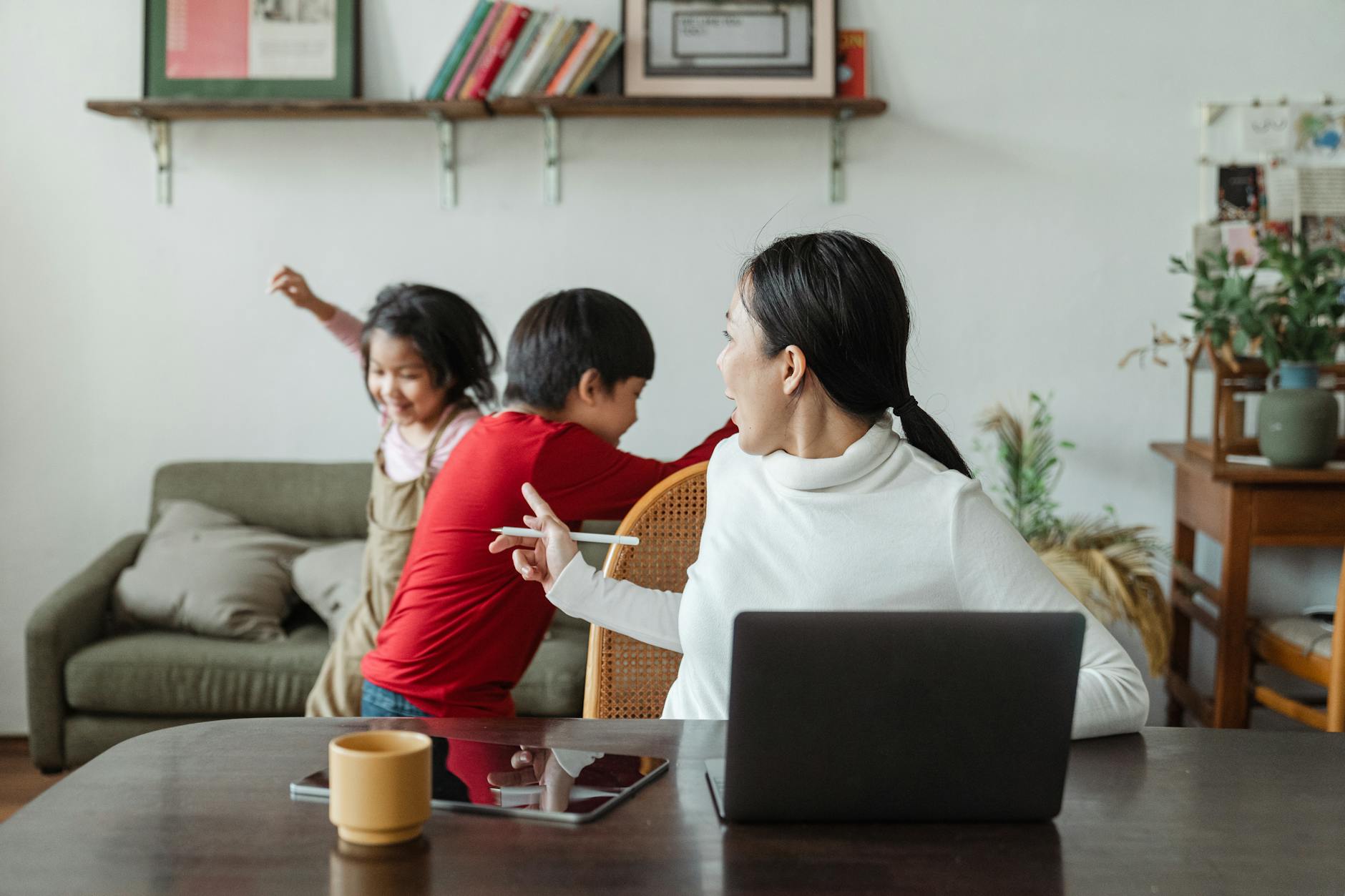
Photo by Ketut Subiyanto
Managing Conflicts: Practical Interventions
Conflicts between siblings are inevitable, but how you step in and guide them during these moments makes all the difference. Helping kids learn to handle their disagreements safely and respectfully teaches valuable life skills. The goal is to turn tense situations into chances for growth and connection, rather than ongoing battles. Here’s a breakdown of specific, hands-on approaches to manage sibling conflicts when they arise.
Teaching Problem-Solving and Emotional Literacy
Before emotions boil over, equipping children with tools to understand and express their feelings can cut down on fights. Emotional literacy means recognizing emotions like anger, jealousy, or frustration—not bottling them up or exploding. Teaching problem-solving helps kids figure out how to fix a problem together without shouting or hitting.
Start by:
- Naming emotions clearly: “You seem upset because you want a turn.”
- Encouraging children to say what they feel using simple “I feel…” statements.
- Outlining steps to solve a problem: identify the issue, share feelings, brainstorm ideas, pick a solution, and try it out.
- Role-playing typical scenarios to practice responses when calm.
These small lessons add up. When kids build emotional awareness and know how to solve problems, fights lose some of their power to overwhelm.
Using Timeouts and ‘Cool-Off’ Periods Effectively
Sometimes, stepping away is the best move. When emotions flare and reason takes a back seat, a quick timeout can help kids regain control. Use ‘cool-off’ periods not as punishment, but as a chance to breathe and reset.
Tips for using timeouts well:
- Explain clearly why a timeout is needed: “You need time to calm down before we talk.”
- Set a short, reasonable timer to keep it fair.
- Provide a quiet, comfy spot where kids can sit with a calming activity like deep breaths or counting.
- Avoid shaming or blaming during timeout moments.
- Once time’s up, encourage talking about what happened and ways to make it right.
Timeouts work best when kids understand they’re for calming—not isolating or punishing.
Encouraging Positive Sibling Interactions and Teamwork
Conflict gets less intense when siblings see each other as teammates, not rivals. Creating opportunities for cooperation strengthens their bond. The more they work together toward a common goal, the easier it becomes to appreciate and support one another.
Try activities like:
- Partner games or puzzles where each child has a role.
- Shared chores with a reward for teamwork.
- Family projects that require planning and communication.
- Positive praise for moments when siblings help or include each other.
Highlighting and celebrating good behavior makes kindness and cooperation more rewarding than conflict.
When to Seek Professional Guidance
Not all sibling conflicts can be solved with timeouts or talking it out. Sometimes, fights are frequent, aggressive, or deeply rooted in emotional struggles that need more than parental intervention. Signs it’s time to ask for expert help include:
- Physical violence that doesn’t stop.
- Persistent hostility or intense jealousy.
- Emotional withdrawal or signs of anxiety or depression in one or more kids.
- Conflicts that affect the whole family’s peace consistently.
Family therapists or child psychologists can offer strategies tailored to your children’s needs. Professionals help uncover deeper issues and teach better ways to communicate. Seeking help isn’t a sign of failure, but a wise step toward healing and harmony.
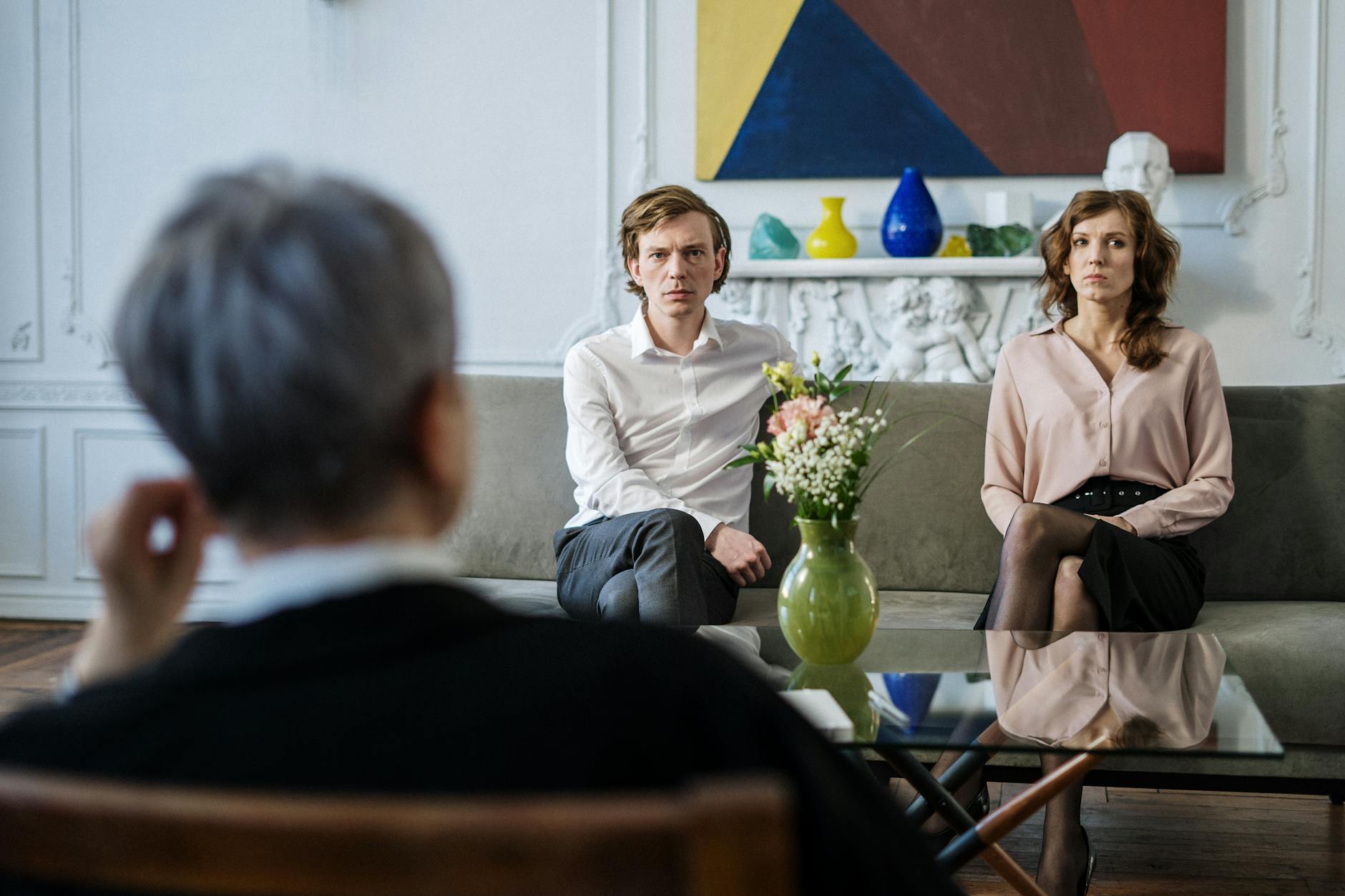
Photo by cottonbro studio
Conclusion
Managing sibling rivalry takes ongoing effort, patience, and understanding. When you focus on fairness, celebrate each child’s unique qualities, and model respectful communication, you build a foundation for stronger sibling bonds. Instead of trying to eliminate every conflict, use these moments as opportunities to teach emotional skills and problem-solving.
Stay consistent and empathetic—these qualities help turn rivalry into cooperation over time. Remember, sibling relationships shape how children connect with others in the future, so your guidance today creates lasting benefits. Keep encouraging kindness and teamwork, and your family will grow closer through the challenges.